Featured
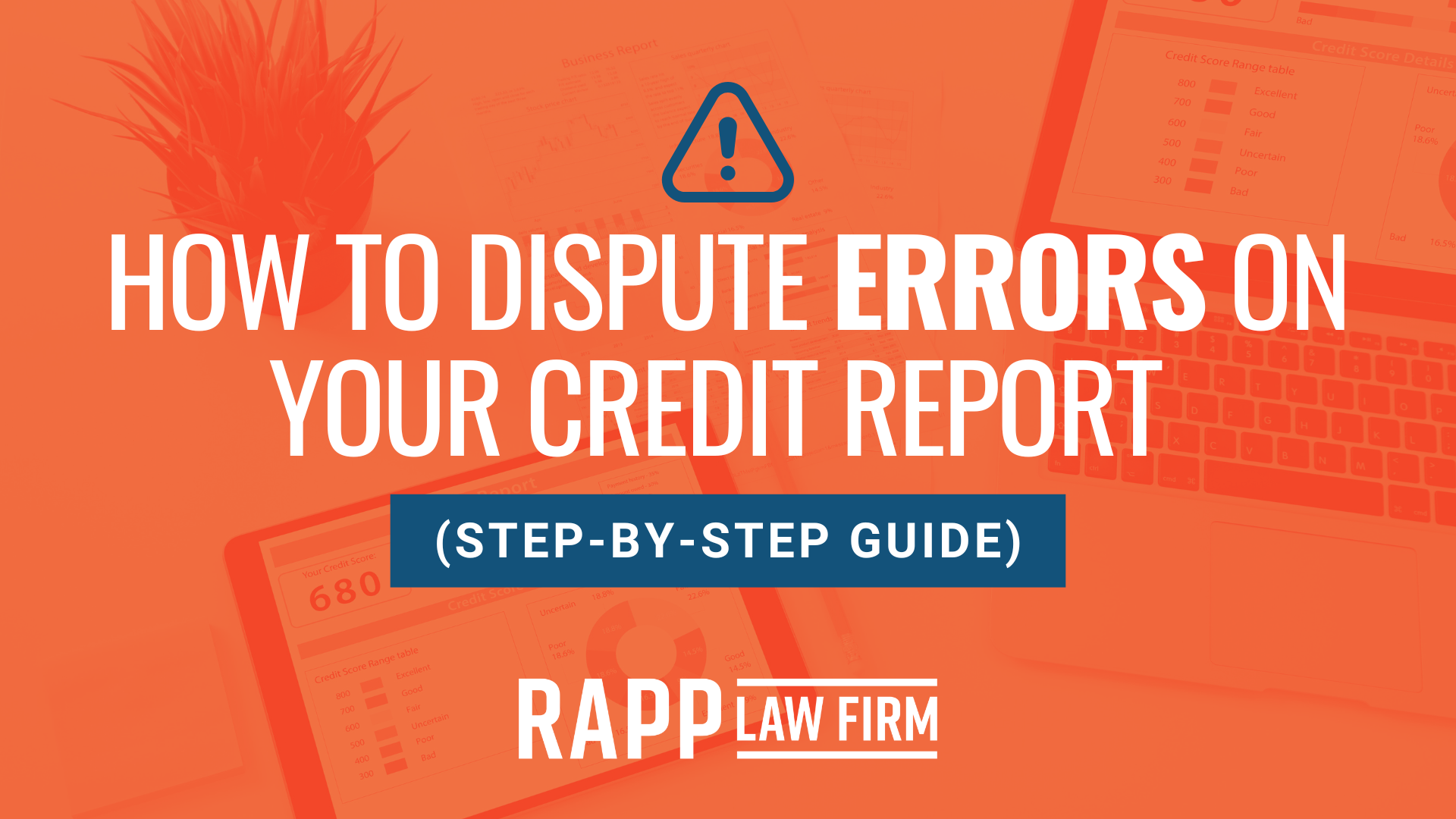

Legal Solutions for Harassment in Your State
Table of Contents
Financial Safeguards in Norfolk Debt Relief for 2026
Household debt levels in 2026 have actually reached a point where many people are prioritizing asset security over simple repayment. The economic environment this year shows a shift in how consumer debt is managed, particularly as rates of interest stay stubbornly high in the wider area. Families are looking for ways to restructure their financial commitments without running the risk of the loss of their homes or retirement savings. This necessity has brought increased attention to the rights and regulations that govern financial institution interactions and the legal relief offered through structured programs.
Federal law provides a clear structure for how debt collectors can communicate with people. In 2026, the Consumer Financial Protection Bureau (CFPB) has tightened up guidelines relating to digital outreach. Debt collectors are now limited in how regularly they can use social media platforms and direct messaging to call debtors. These protections are essential for homeowners of Norfolk Debt Relief who might feel overloaded by constant alerts. Understanding that these communications should follow strict standards permits people to focus on reorganizing their financial resources rather than responding to press strategies.
Legal relief typically starts with determining which properties are exempt from lender claims. In lots of jurisdictions throughout the surrounding region, homestead exemptions have been changed in 2026 to better show current residential or commercial property values. This suggests a larger portion of a home's equity is safeguarded from unsecured creditors during a restructuring process. Similarly, pension governed by the Employee Retirement Income Security Act (ERISA) typically stay out of reach for most lenders. Prioritizing the financing of these accounts is a common method for long-term financial security during durations of instability.
Legal Protections Against Lender Misconduct
Creditors should stick to the Fair Debt Collection Practices Act (FDCPA), which has seen a number of updates leading into 2026. These updates clarify that harassment is not restricted to telephone call however reaches persistent electronic interaction. If a collector breaches these terms, the debtor may have premises for legal action, which can often lead to the termination of certain costs or penalties. Organizations that offer methods concentrated on Debt Relief typically emphasize the significance of recording every interaction with a debt collection agency.
Paperwork serves as the primary defense when disagreements develop. In Norfolk Debt Relief, legal clinics regularly encourage keeping a log of the time, date, and material of all creditor contacts. This record becomes vital if a case moves towards an official financial obligation restructuring or if a consumer decides to go into a debt management program. By maintaining clear records, people can show if a collector has crossed the line into harassment or misstatement of the debt owed.
The accessibility of Norfolk Debt Relief Programs uses a structured course for those who wish to prevent the serious repercussions of insolvency. These programs, often managed by non-profit credit counseling companies, work by combining numerous monthly payments into a single, more manageable quantity. In 2026, these agencies have broadened their reach, partnering with community groups to guarantee that monetary literacy is available in every corner of the nation. These collaborations often cause worked out rate of interest that are considerably lower than the initial terms, permitting more of the payment to go towards the principal balance.
Managing Property Retention in the Regional Market
Safeguarding personal effects requires a proactive technique to financial obligation restructuring. Among the most effective techniques in 2026 involves the usage of Department of Justice-approved non-profit credit counseling. These agencies are mandated to provide neutral, professional guidance on a range of financial issues, including pre-bankruptcy therapy and pre-discharge debtor education. For residents in Norfolk Debt Relief, these services supply a roadmap for maintaining real estate stability while addressing unsecured debts like credit cards and medical expenses.
Real estate therapy has actually become a a lot more vital component of property security this year. HUD-approved counselors help individuals browse home mortgage modifications and foreclosure avoidance. In 2026, the combination of real estate guidance with basic credit therapy guarantees that an individual's largest possession-- their home-- is not sacrificed to settle less critical debts. Individuals looking for Debt Relief in Norfolk typically find that a unified approach to their spending plan is more efficient than trying to settle financial obligations individually.
The procedure of restructuring financial obligation also involves a comprehensive evaluation of one's budget to identify areas where spending can be rerouted towards financial obligation removal. Counseling sessions typically reveal that small modifications in day-to-day practices can lead to substantial cost savings in time. These cost savings can then be utilized to develop an emergency fund, which serves as a buffer against future monetary shocks. In many parts of the country, these emergency situation funds are the first line of defense in keeping assets safe when unanticipated costs occur.
Non-Profit Resources for Debt Stabilization
Non-profit credit counseling agencies operate under stringent regulatory oversight, ensuring they prioritize the customer's interests. In 2026, these agencies supply totally free initial assessments to assess an individual's monetary situation. This preliminary action is essential for identifying whether a financial obligation management strategy or a different kind of legal relief is the very best strategy. Because these companies are 501(c)(3) entities, their focus remains on education and rehabilitation instead of profit.
Financial obligation management programs (DMPs) offered by these agencies are not the like debt settlement. While settlement often includes stopping payments and running the risk of lawsuits, a DMP concentrates on consistent, negotiated payments that are dispersed to lenders by the agency. This approach protects the individual's credit report over the long term and avoids the aggressive legal actions that often follow missed out on payments. A lot of lenders in 2026 prefer this structured method because it guarantees a constant return on the cash owed while providing the debtor with a clear end date for their commitments.
Education is another pillar of the 2026 financial obligation restructuring environment. Agencies provide courses on monetary literacy that cover whatever from fundamental budgeting to innovative financial investment techniques. This education is often a requirement for those going through the personal bankruptcy procedure, but it is similarly useful for anyone looking to improve their financial standing. By understanding the mechanics of credit and interest, consumers in Norfolk Debt Relief are better geared up to avoid the traps that lead to extreme debt in the first location.
Neighborhoods in the local region gain from a network of independent affiliates that extend the reach of these non-profit services. These affiliates typically comprehend the particular financial challenges of their location, such as local market shifts or local tax changes. This localized understanding permits more tailored therapy that considers the specific cost of living and job market conditions in 2026. Whether through co-branded partner programs or direct neighborhood outreach, the objective stays the same: to offer a stable structure for financial recovery.
State-specific regulations also contribute in how assets are handled throughout restructuring. Some states have "opt-out" stipulations for federal bankruptcy exemptions, indicating they use their own list of protected possessions. In 2026, staying notified about these subtleties is part of a thorough asset defense strategy. Working with a therapist who understands the specific laws of their home state can avoid expensive errors that might lead to the loss of individual residential or commercial property. As the year advances, these securities continue to evolve, showing the changing requirements of a society that values monetary resilience and consumer rights.

Table of Contents
Latest Posts
Legal Solutions for Harassment in Your State
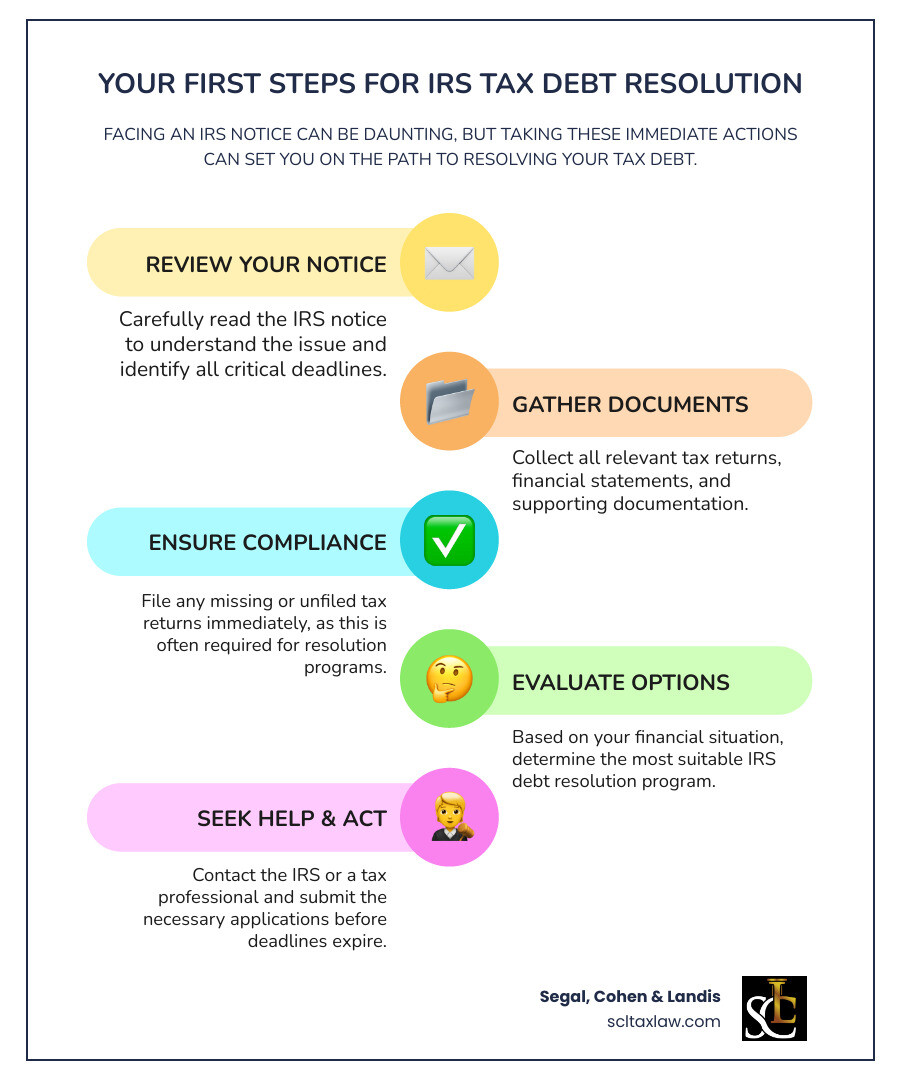
Why Jersey City New Jersey Debt Relief Without Filing Bankruptcy Debtors Gain From 2026 Code Updates
The 2026 Timeline for Credit Reconstructing After Submitting
More
Latest Posts
Legal Solutions for Harassment in Your State
Why Jersey City New Jersey Debt Relief Without Filing Bankruptcy Debtors Gain From 2026 Code Updates
The 2026 Timeline for Credit Reconstructing After Submitting